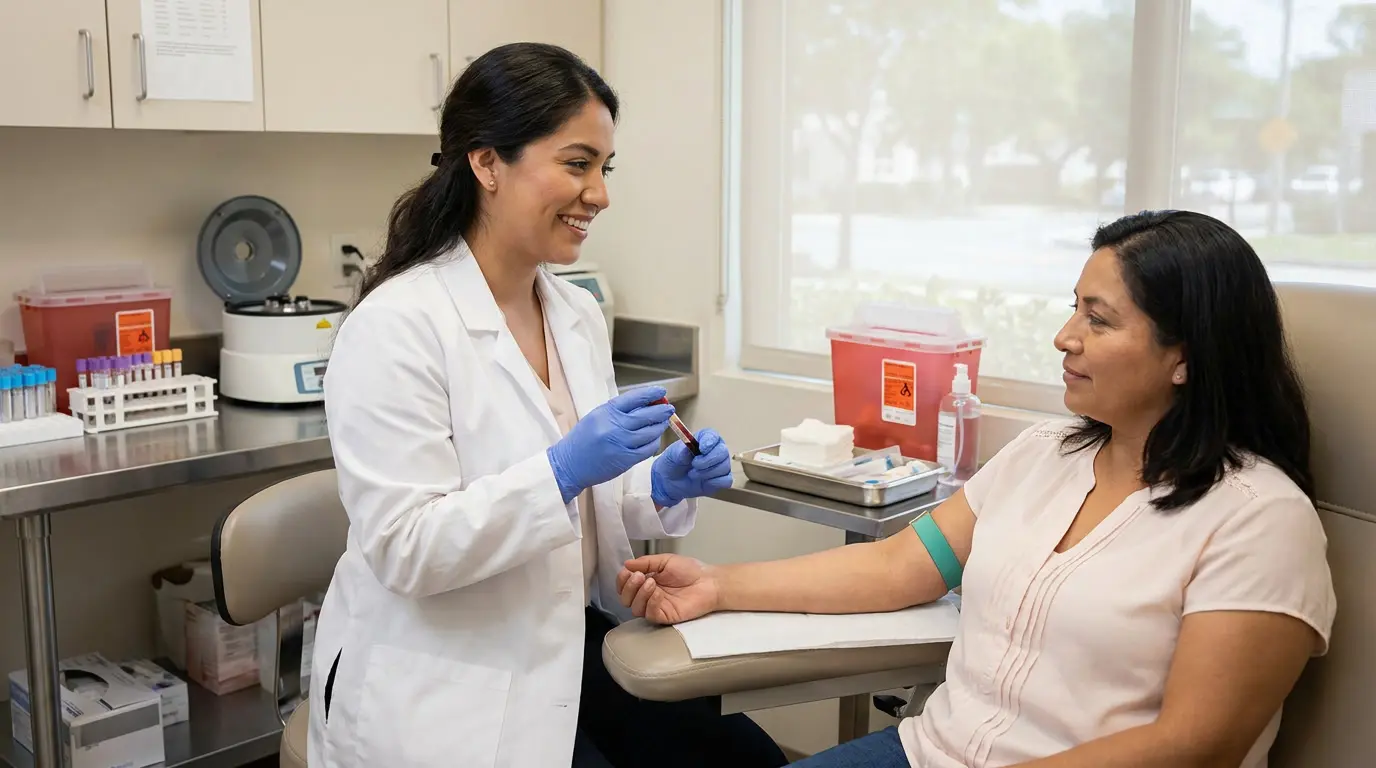
Many people only get blood work when they feel sick, but its real value is finding problems before they cause symptoms: high blood sugar, high cholesterol, anemia or a slow thyroid. This guide explains the most common tests, how to prepare and what a few key numbers mean.
What is a blood test for?
- Preventive checkup: see how you are doing even if you feel fine.
- Follow-up: monitor diabetes, high blood pressure, cholesterol or thyroid disease.
- Requirements: paperwork for work, school or immigration.
- Diagnosis: look for the cause of fatigue, dizziness, excessive thirst or weight loss.
Common tests and what they measure
| Test | What it checks | Fasting? |
|---|---|---|
| Complete blood count (CBC) | Red cells, white cells and platelets; anemia or infection | No |
| Metabolic panel | Glucose, kidneys, liver and electrolytes | Usually yes, 8 hours |
| Hemoglobin A1C | Average blood sugar over the last 2 to 3 months | No |
| Lipid panel | Total cholesterol, LDL, HDL and triglycerides | Sometimes; we will tell you |
| Thyroid (TSH) | Whether the thyroid is slow or overactive | No |
| Vitamin B12 and D | Low levels that cause fatigue | No |
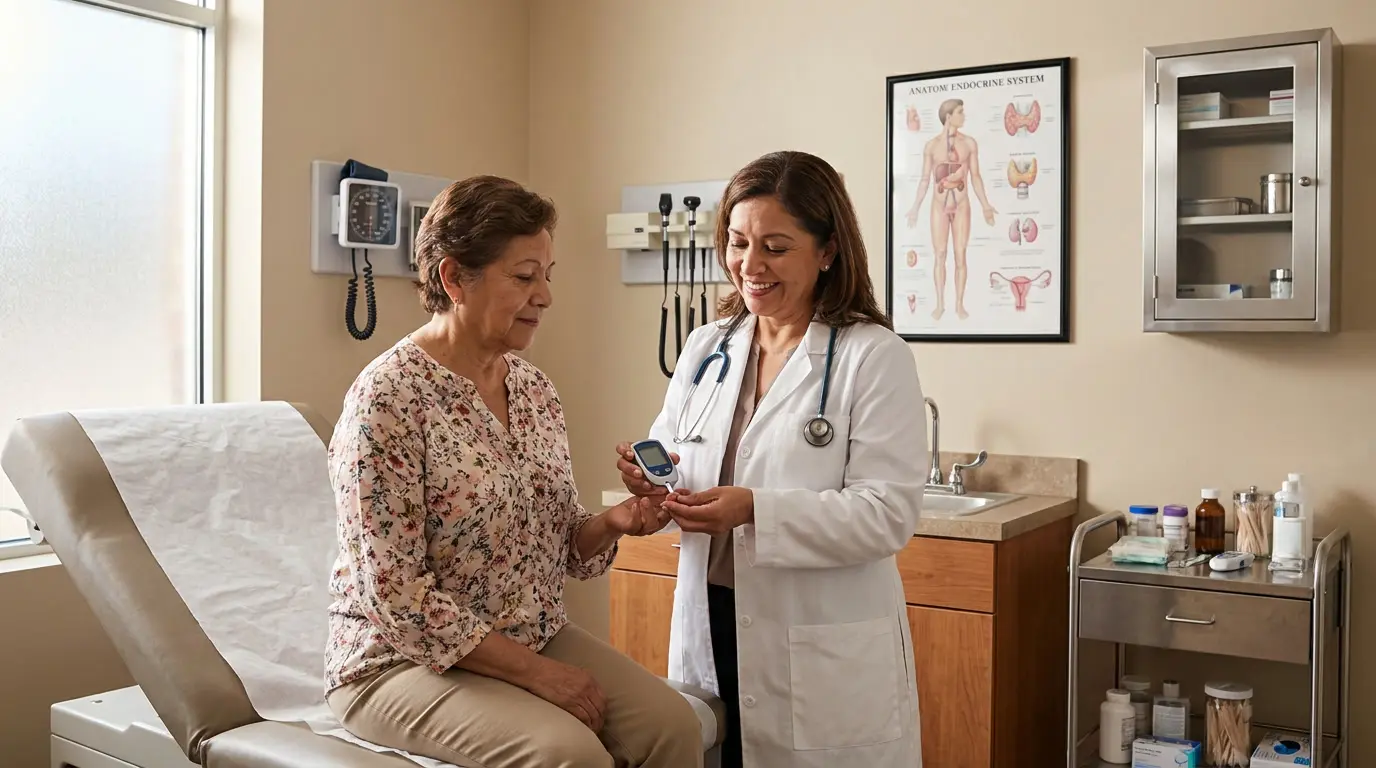
How to read glucose and A1C
According to the American Diabetes Association (ADA):
| Result | Normal | Prediabetes | Diabetes |
|---|---|---|---|
| A1C | Below 5.7% | 5.7 to 6.4% | 6.5% or higher |
| Fasting glucose | Below 100 mg/dL | 100 to 125 mg/dL | 126 mg/dL or higher |
One high result is not enough for a diagnosis: the medical team confirms it with a repeat test and your history.
How to prepare
- Ask whether your test needs fasting. If it does, do not eat for 8 to 12 hours; water is fine.
- Take your medications as usual unless the medical team says otherwise.
- Avoid alcohol and hard exercise the day before.
- Drink water: it makes veins easier to find.
- Bring your medication list and previous results, if you have them.
How often should you get tested?
It depends on your age and risks. As a reference, the U.S. Preventive Services Task Force (USPSTF) recommends screening for prediabetes and diabetes in adults aged 35 to 70 who are overweight. If you have diabetes, high blood pressure or a family history, the medical team will tell you how often to repeat your tests.
When are results ready?
It depends on the test: some are ready the same day and others take longer. When they arrive, the clinic's medical team explains them in Spanish or English and tells you whether you need treatment or follow-up.
Lab work at Clínica Hispana Mangum
We do blood tests, urine tests and stool tests, and we follow up on diabetes, blood pressure and cholesterol. No appointment or insurance needed: walk in at 2912 Mangum Rd, Suite A, any day from 9 AM to 9 PM, or call (832) 834-5507 to ask whether your test requires fasting.
Sources: ADA: Diabetes diagnosis · USPSTF: Prediabetes and type 2 diabetes screening · MedlinePlus: Blood tests