Ernesto works at a warehouse off the Northwest Freeway and spends his whole shift on his feet. Since summer he has noticed that when he pulls off his boots, his socks leave a deep groove around his ankles. He blamed the heat. A few weeks ago, though, he started sleeping on two pillows because lying flat makes him feel he cannot get enough air, and on Sunday he had to stop halfway up the stairs at his daughter's house. He has not connected the two, but that pairing is exactly the kind worth checking.
Leg swelling on its own has plenty of explanations, most of them simple. The picture changes when it shows up together with shortness of breath, new tiredness or weight gain that has nothing to do with eating more. Below we walk through why the heart can be behind it, which other causes are common, and when a regular visit is not the right move.
How a weak heart ends up in your ankles
When the heart does not pump as strongly as it should, blood returning from the legs and lungs backs up, a bit like traffic behind a stalled car. That pressure pushes fluid out of the veins into the surrounding tissue. Gravity sends it to the feet, ankles and calves first. When you lie down, some of that fluid shifts upward and can settle in the lungs, which is why breathing gets harder in bed and easier once you sit up.
This condition is called heart failure. The name sounds frightening, but it does not mean the heart has stopped. It means the heart is working less efficiently and needs support. Long-standing uncontrolled high blood pressure, a past heart attack, diabetes and some valve problems are among the most common causes, according to the CDC.
Clues that point toward the heart
None of these settles the question alone, but several at once deserve a prompt evaluation:
- Swelling in both legs that leaves a dent when you press with a finger and gets worse as the afternoon goes on.
- Breathlessness when you lie flat, or needing more pillows than you used to.
- Waking up at night gasping, wanting to sit up or open a window.
- A dry cough that shows up mostly at night.
- Getting tired from things you used to do without thinking: carrying groceries, sweeping the yard, chasing the grandkids.
- Gaining weight quickly without eating more. The American Heart Association lists a gain of 2 or 3 pounds from one day to the next, or about 5 in a week, as a warning sign (AHA). That weight is usually retained water.
- Palpitations, or a feeling that your heart is racing.
If you already live with high blood pressure or diabetes, or you have had a heart attack, these clues carry more weight.
Other reasons legs swell or breath runs short
Not every swollen leg comes from the heart. This table sums up what the clinic's medical team usually weighs while listening to your story:
| Cause | How it tends to show up |
|---|---|
| Tired leg veins (venous insufficiency) | Swelling that goes down overnight, varicose veins, darker skin near the ankle; breathing is fine |
| Long hours standing or sitting, hot weather | Puffy feet at the end of a shift that improve with your legs raised |
| Kidneys | Puffy face or eyelids on waking, foamy urine, blood pressure that is hard to control |
| Liver | A belly that fills with fluid, yellowish skin or eyes |
| Underactive thyroid | Fatigue, feeling cold, dry skin, swelling that does not dent |
| Anemia | Winded with effort, pale skin, dizziness; legs rarely swell |
| Lungs (asthma, bronchitis, infection) | Cough, wheezing, phlegm; breathing trouble outweighs any swelling |
| Some medications | Ankles that started swelling after a new pill |
About that last row: certain blood pressure medicines, anti-inflammatory painkillers taken every day and some hormone treatments can make the body hold on to fluid. If you suspect a pill is causing it, talk with the medical team before you change or stop anything. Dropping it on your own can push your blood pressure up.
When only one leg swells
Swelling in just one leg, especially the calf, with pain, warmth or reddened skin can mean a blood clot in a deep vein. The risk rises after a long trip, surgery, a cast or several days in bed. That is not something to save for a routine visit; get urgent care as soon as you notice it. And if you also become suddenly short of breath or feel chest pain when you breathe in, the clot may have traveled to a lung: call 911.
Warning signs: call 911
Do not drive yourself, and do not have someone bring you to the clinic, if any of these happen:
- Sudden shortness of breath, or breathlessness that does not ease while you are sitting and resting.
- Chest pain, pressure or tightness, with or without pain spreading to the arm, back or jaw.
- Coughing up pink, frothy mucus, or lips and nails turning bluish.
- Fainting, cold sweats or confusion.
- All at once one side of your face sags, an arm will not lift properly or your words come out tangled: that may be a stroke, and it also means 911.
Paramedics start treatment on the way to the hospital, which no private car can do.
What the medical team checks at the clinic
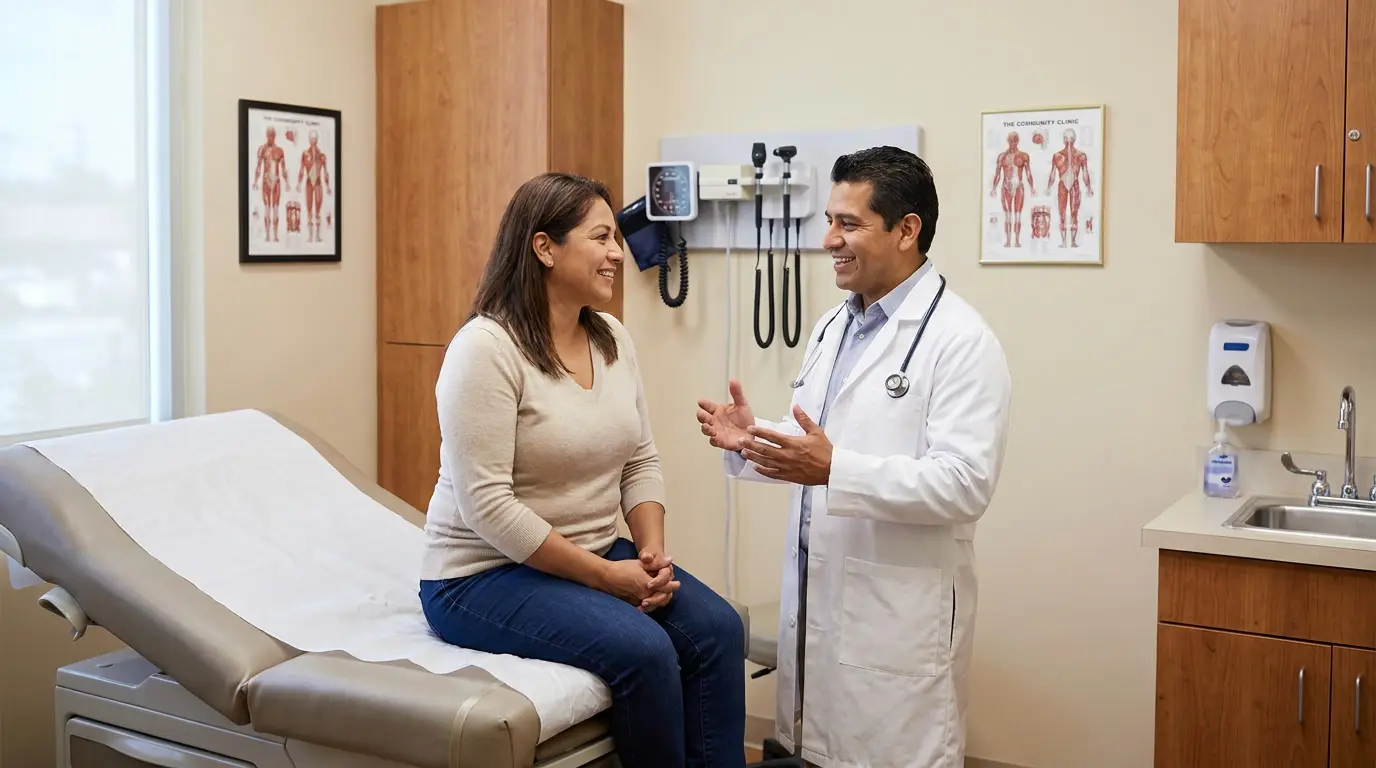
When symptoms have come on gradually and you are stable, a visit on Mangum Rd starts with questions: how long your legs have been swelling, whether it is one leg or both, how many pillows you sleep on and what you take every day. Then:
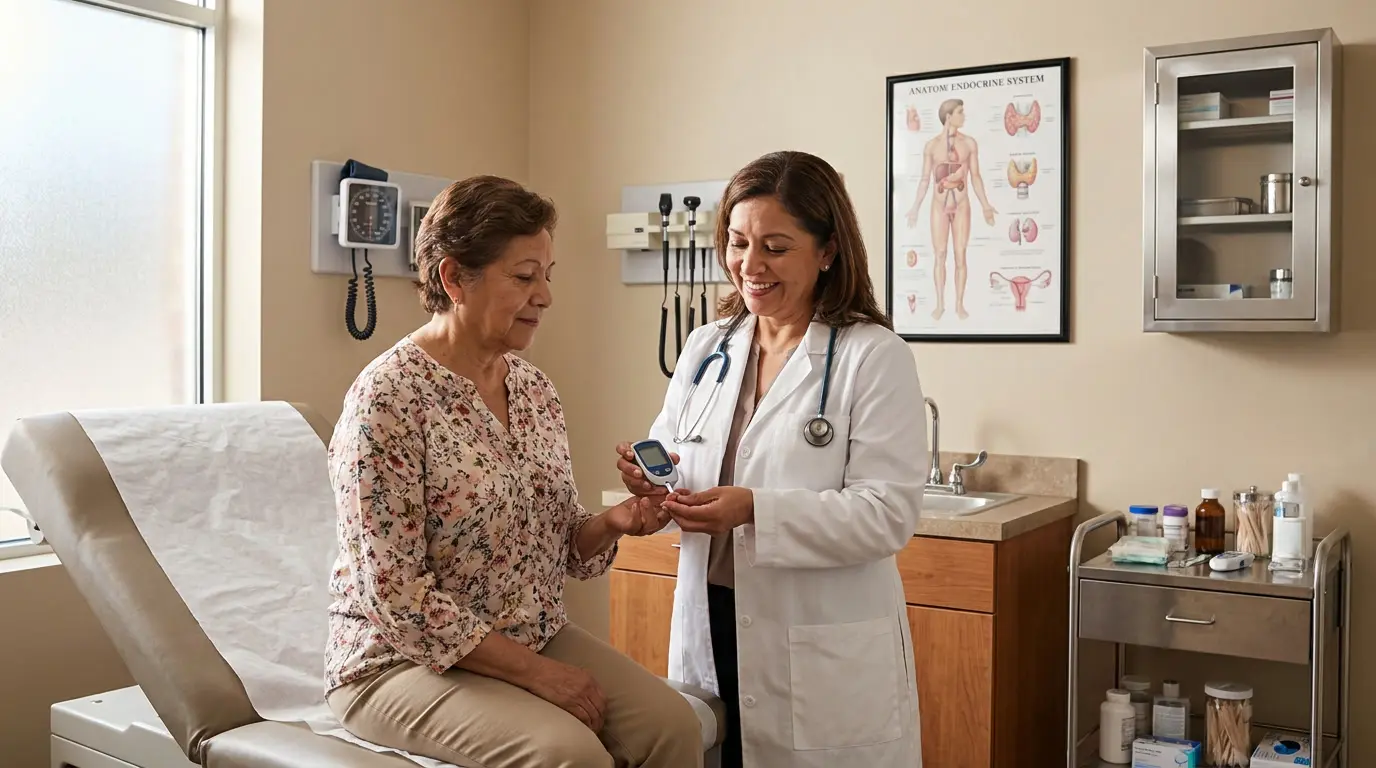
- Your blood pressure, pulse, oxygen level and weight are measured.
- Your legs and abdomen are examined, and your heart and lungs are listened to.
- An electrocardiogram (EKG) may be done to check the rhythm and look for signs of an old heart attack or an enlarged heart; it is quick and painless.
- Blood work is ordered as needed: a CBC to look for anemia, a metabolic panel for kidney, liver and sodium, and a thyroid test.
- With those results, the medical team explains the most likely cause and the plan. If the heart needs to be seen from the inside, general medical guidance usually points to an echocardiogram or a specialized evaluation.
When the underlying problem is high blood pressure, diabetes or cholesterol, follow-up continues through the chronic conditions program, with visits to fine-tune treatment and go over your home readings.
What helps in the meantime
These general steps do not replace an evaluation, but they bring relief to many people:
- Weigh yourself every morning, after using the bathroom and before breakfast, and write it down. Bring that list to your visit.
- Raise your legs above heart level for a while when you get home.
- If you work on your feet, keep moving: take a few steps or rise up on your toes every hour.
- Cut back on salt. Bouillon cubes, deli meats, instant soups and bottled sauces carry a lot of sodium and make the body keep water.
- Keep taking your blood pressure or heart medicines even when you feel fine.
Before you head over from Lazybrook or Timbergrove
If Ernesto's story sounds familiar, do not wait until the stairs become impossible. For your visit in northwest Houston (ZIP 77092), bring several days of written-down weights, your blood pressure readings if you have them, and the boxes of everything you take, over-the-counter products included. If you leave with something new for your heart or blood pressure, at the clinic pharmacy you buy right there what the medical team prescribed, and the staff go over how and when to take it so it does not clash with what you already use.
Sources: CDC: Heart failure · AHA: Warning signs of heart failure · NHLBI (NIH): Heart failure symptoms